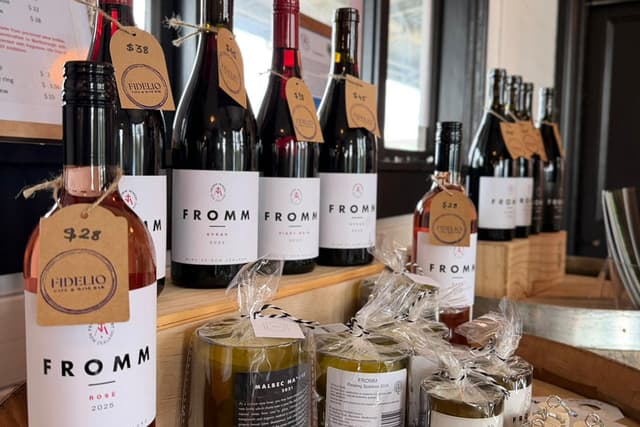
Wine tasting has evolved from a niche hobby into a widely appreciated cultural experience. Whether a novice curious about the subtleties of terroir or an experienced connoisseur seeking new varietals, securing a reservation ensures access to curated selections, knowledgeable guidance, and a relaxed environment to savor each sip. Planning ahead eliminates the uncertainty of walk-in availability and allows participants to tailor the session to specific interests, group size, or dietary preferences. This article outlines the essential steps and considerations for booking wine tasting reservations, helping readers make informed decisions and maximize the enjoyment of every pour.
Why Advance Reservations Matter
Scheduling a wine tasting in advance offers several practical advantages that enhance the overall experience:
- Guaranteed Availability: Popular venues often fill quickly, especially on weekends and during harvest seasons.
- Customized Tastings: Hosts can prepare specific wine lists, food pairings, or thematic tours based on pre-submitted preferences.
- Efficient Time Management: Knowing the exact start time helps guests coordinate travel, dining, and other itinerary items.
- Enhanced Service: Staff can allocate sufficient time for each group, ensuring attentive guidance and answering questions in depth.
For a deeper dive into the benefits of planning ahead, Read more about this topic.
Key Steps to Secure Your Spot
1. Identify Your Preferences
Before searching for a reservation, clarify the following:
- Type of wines desired (e.g., reds, whites, sparkling, dessert).
- Region or varietal focus (e.g., Bordeaux, Pinot Noir, Sauvignon Blanc).
- Group size and any special accommodations (wheelchair access, dietary restrictions).
- Desired duration – half-day, full-day, or a brief tasting session.
2. Research Suitable Venues
Use reputable wine tourism directories or regional wine association listings to locate venues that match the identified criteria. Look for:
- Experienced staff with formal sommelier training.
- Facilities that offer complementary food pairings.
- Positive feedback regarding ambiance and educational value.
When you find a promising option, Learn more in this detailed guide.
3. Check Availability and Policies
Most tasting rooms provide an online calendar or contact form. Review the following details before committing:
- Reservation lead time (some require weeks, others accept same-day bookings).
- Cancellation and rescheduling policies.
- Minimum spend requirements or tasting fees.
- Parking, public transport links, and accessibility.
4. Complete the Booking Process
When ready to book, follow these best practices:
- Provide accurate contact information for confirmation emails.
- Specify any special requests (e.g., gluten-free cheese, private guide).
- Confirm the total cost, including any taxes or service charges.
- Save the confirmation number and note any check-in instructions.
For step-by-step instructions on finalizing a reservation, Explore further insights here.
Preparing for the Tasting Experience
Arriving well-prepared enhances both enjoyment and learning. Consider the following recommendations:
Pre-Visit Etiquette
- Dress comfortably yet respectfully; many venues have a smart-casual dress code.
- Arrive a few minutes early to allow time for check-in and brief orientation.
- Limit strong fragrances (perfume, cologne) that could interfere with aroma detection.
During the Tasting
- Take notes on appearance, aroma, palate, and finish for each wine.
- Ask the guide about viticultural practices, aging techniques, and food pairing suggestions.
- Stay hydrated; water between pours helps maintain palate sensitivity.
- Respect the pacing, most tastings are structured to allow thoughtful evaluation.
Post-Tasting Follow-Up
- Request a list of wines sampled, including vintage and producer details.
- Consider purchasing bottles that stood out; many venues offer on-site sales with expert advice.
- Share feedback with the host to help improve future sessions.
Special Considerations for Groups and Events
Hosting a corporate outing, birthday celebration, or educational workshop adds layers of planning. Keep these factors in mind:
- Group Size Limits: Verify the maximum number of participants the venue can accommodate comfortably.
- Private vs. Shared Sessions: Private bookings often allow for customized menus and extended tasting times.
- Additional Services: Some locations provide transport, photography, or souvenir packaging for groups.
- Budget Management: Negotiate package rates that include tasting fees, food pairings, and optional merchandise.
For guidance on organizing group tastings, Find additional information here.
Conclusion
Booking a wine tasting reservation is a straightforward process when approached methodically. By defining preferences, researching venues, confirming policies, and preparing for the experience, enthusiasts can ensure a seamless, educational, and enjoyable outing. Leveraging online resources and reputable guides helps streamline each step, while thoughtful preparation maximizes the sensory and educational value of every glass. With the right planning, a wine tasting becomes more than a leisure activity, it transforms into a memorable journey through terroir, tradition, and taste.